
Research
Our laboratory focuses on four main areas: Human Activity Recognition, Bio-logging, Indoor Positioning, and Real-world Data Mining, exploring new possibilities in real-world information technology.
Research Areas
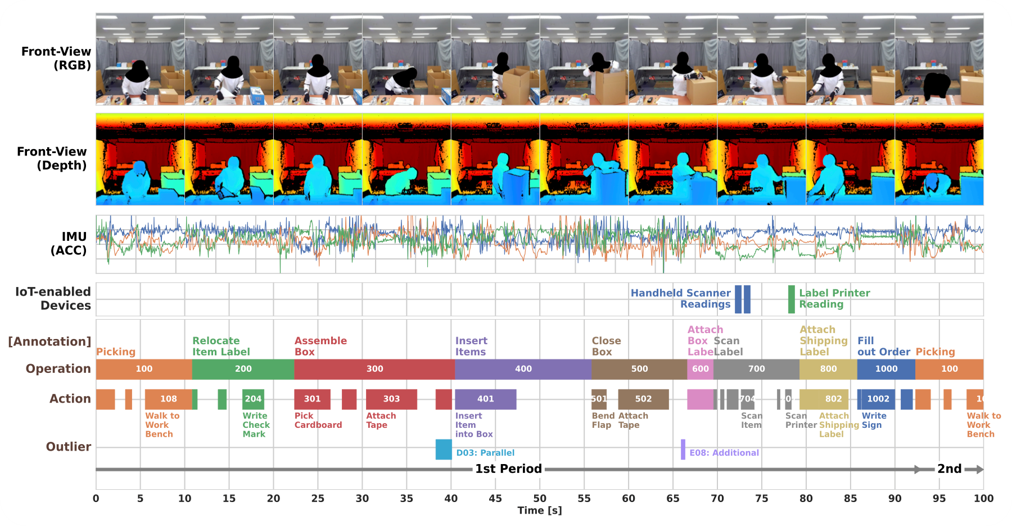
Human Activity Recognition
Human activity recognition is an AI technology that identifies the behaviors of observed subjects using sensor data collected from devices such as wearable or environmental sensors. It serves as a foundational technology for realizing future smart societies and industries, including smart factories, smart healthcare, and smart homes. At the Real-World Intelligence Laboratory, we focus particularly on recognizing and understanding complex activities in environments such as smart factories and life science experiments. We develop real-world AI technologies that can be applied to coaching systems and industrial robotics. In addition, we construct large-scale activity recognition datasets and develop benchmarks for foundation models in activity recognition.
Keywords
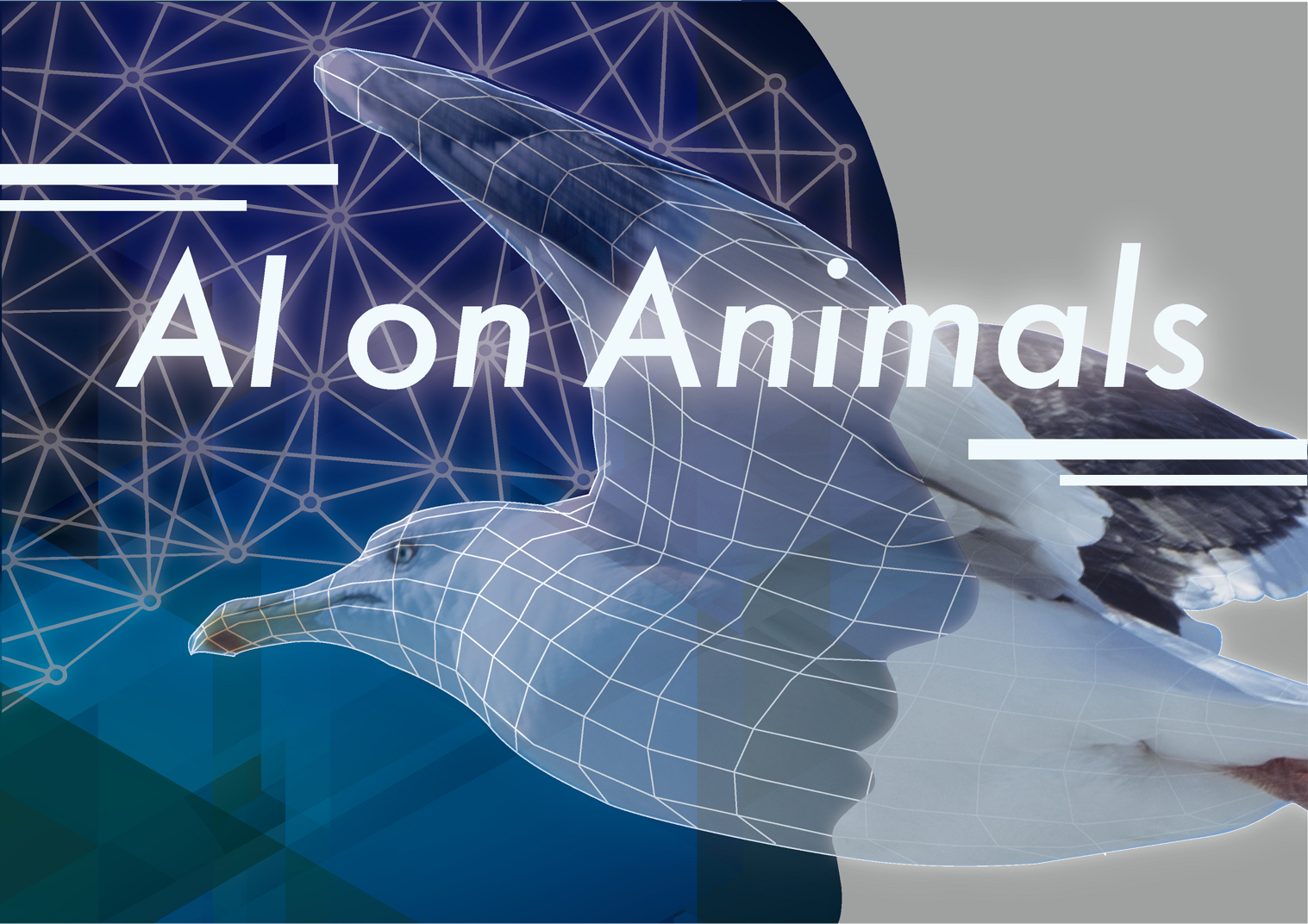
AI Bio-logging
AI Biologging is a research paradigm that we were the first in the world to propose. In this approach, AI embedded in biologging devices intelligently observes and records the behaviors and ecology of wild animals. Through the development of compact and efficient AI models that operate on small, resource-constrained devices, we aim to uncover previously unknown aspects of wildlife behavior and ecology.
Keywords
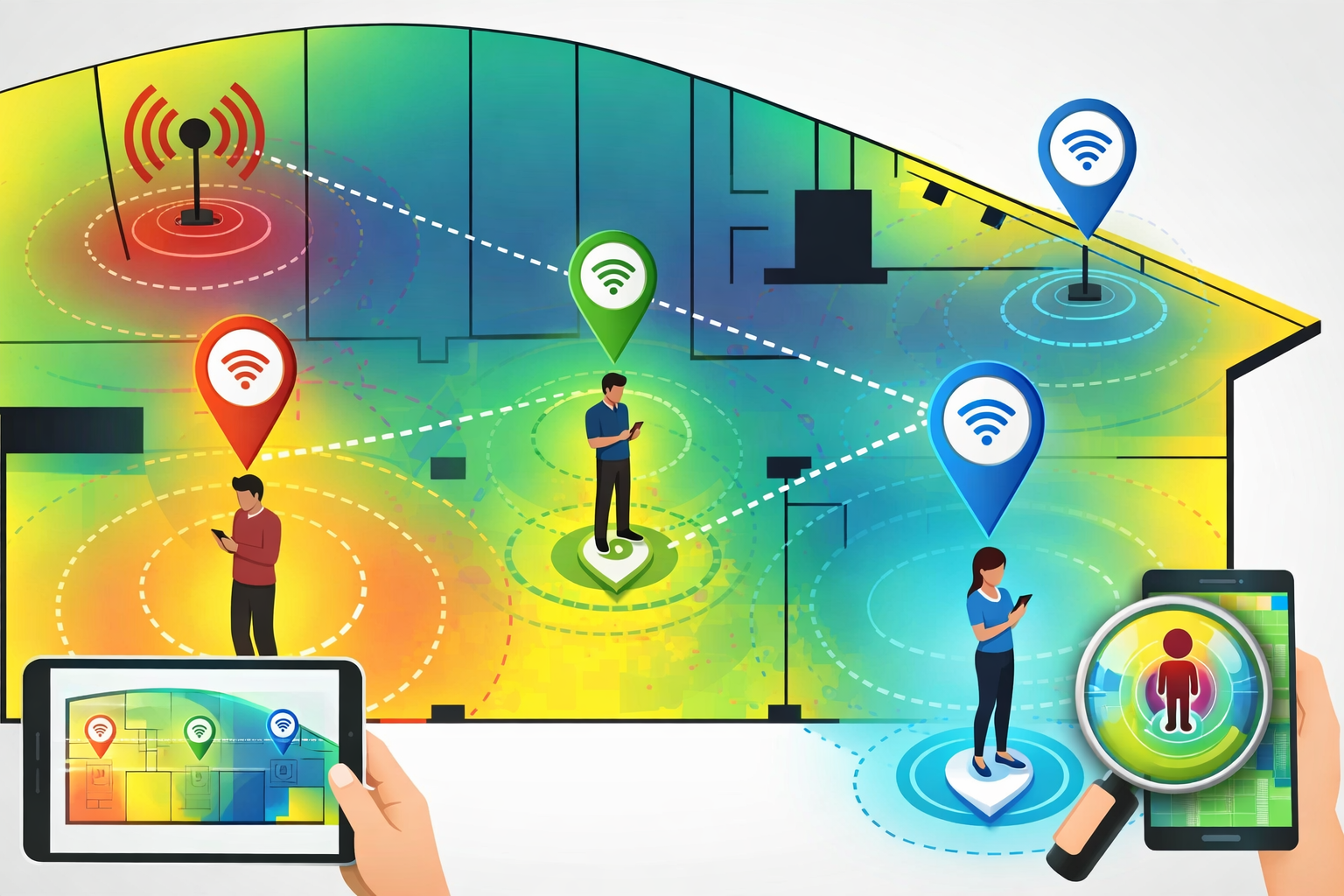
Indoor Positioning
Indoor positioning technology estimates the spatial coordinates of humans and robots by leveraging sensor data such as accelerometer signals from smartphones and Wi-Fi signal measurements. It has broad applications in indoor navigation, smart factories, and beyond. At the Real-World Intelligence Laboratory, we conduct research on multimodal indoor positioning, integrating not only inertial and Wi-Fi data but also audio signals and GPS signals observable indoors, enabling more robust and accurate localization in real-world environments.
Keywords
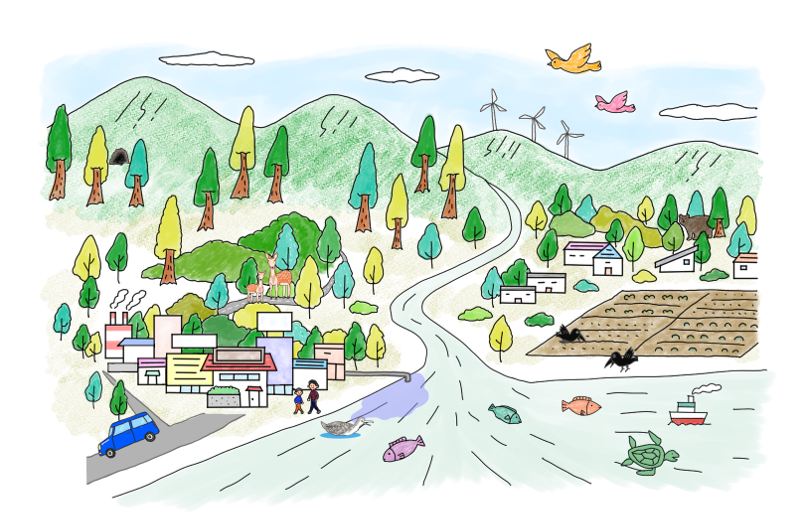
Real-world Data Mining
We develop AI technologies for the automatic analysis of human and animal behavioral data, enabling data mining approaches that uncover previously undiscovered knowledge. Our research has wide-ranging real-world applications, including: analyzing the behavior of healthy and disease-model animals to support drug discovery; evaluating the impact of environmental changes on wildlife behavior; assessing the effects of wildlife damage control policies on animal behavior; extracting tacit knowledge and expertise from skilled workers’ operational data. Through these efforts, we aim to transform behavioral data into actionable insights for science, industry, and society.